Back-to-School Anxiety for Adults: Why This Season Can Feel So Overwhelming
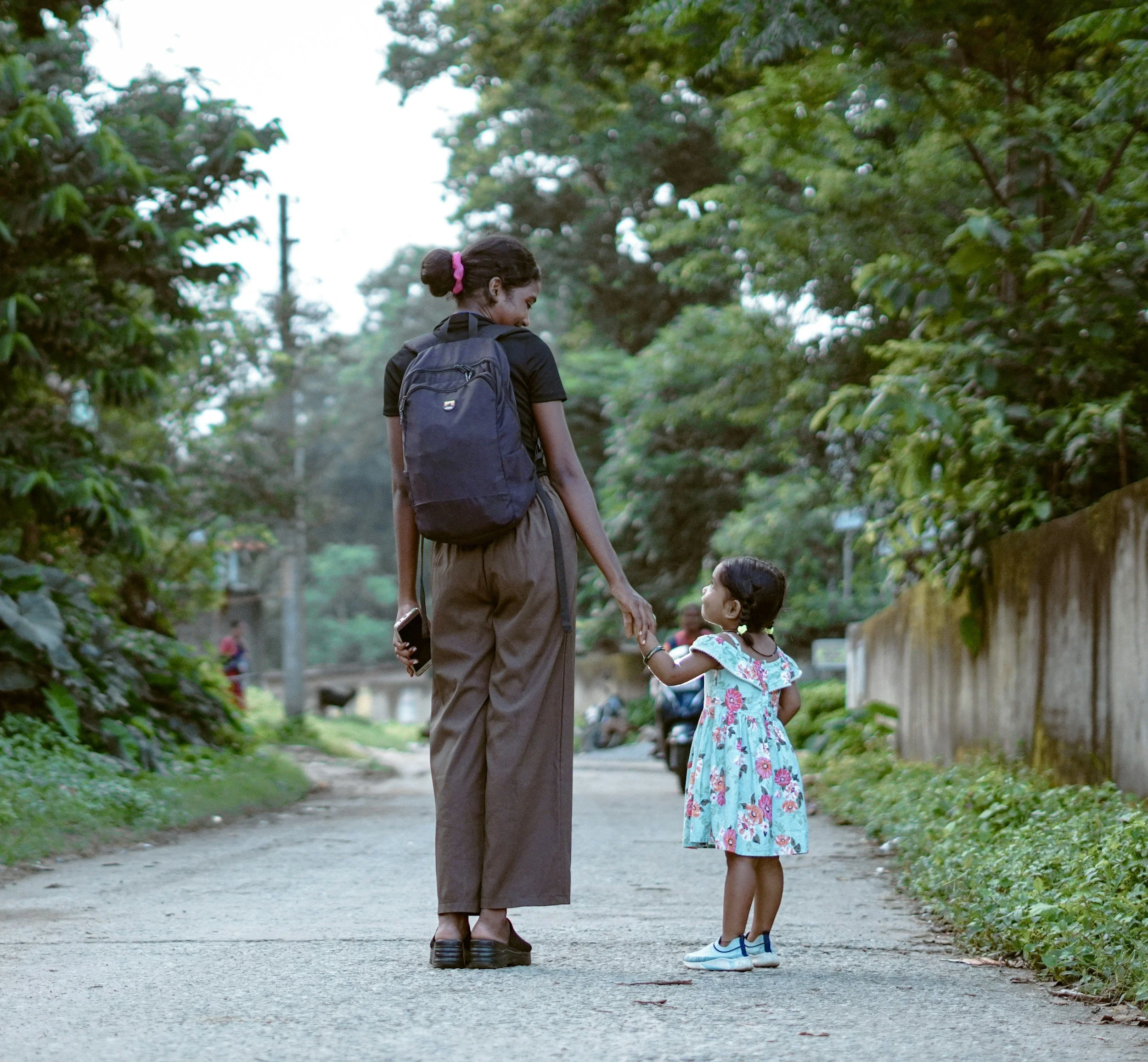
Back-to-School Anxiety Isn't Just for Kids
We talk a lot about kids feeling nervous when school starts.
Will they like their teacher? Will they make friends? Can they handle the workload? What if the first day is hard?
But sometimes, while you're busy helping your child manage all of their feelings about going back to school, you realize something:
You're anxious too.
Maybe there's a pit in your stomach as the first day gets closer. Maybe you're already mentally running through schedules, transportation, homework, activities, lunches, appointments, and everything else you're going to have to keep track of.
Maybe your child is worried about starting school, and you're carrying their anxiety right along with them.
Or maybe you can't point to one specific thing that's wrong. You just notice that you're more irritable, overwhelmed, emotional, or on edge than usual.
Back-to-school anxiety in adults is real, and sometimes it has very little to do with school itself.
For parents and caregivers, this season represents transition—and transitions can be surprisingly demanding on our nervous systems.
Why Back-to-School Season Hits Adults Too
Think about how much changes in a relatively short period of time.
Summer schedules disappear. Bedtimes move earlier. Mornings become more structured. Activities start again. Work schedules have to coordinate with school schedules. There are forms to complete, supplies to buy, lunches to pack, appointments to remember, and approximately 47 emails from the school that you're definitely going to read...eventually.
Even positive changes require adjustment.
Your brain tends to appreciate predictability. When you know what to expect, it doesn't have to work quite as hard to anticipate what's coming next.
Transitions temporarily disrupt that predictability.
Suddenly there are new routines to learn, more decisions to make, and more things competing for your attention.
For someone who already struggles with anxiety, overthinking, or feeling responsible for keeping everything running smoothly, that shift can feel especially intense.
Your nervous system may respond by becoming more alert.
You might find yourself thinking further ahead, checking things repeatedly, worrying about things you normally wouldn't, or feeling like you need to stay on top of everything so nothing falls apart.
That's one reason nervous system regulation can be so important during periods of seasonal stress. The goal isn't to eliminate every stressful part of the transition. It's to help your system recognize that not every forgotten permission slip, difficult morning, or change in routine is an emergency.
What Back-to-School Anxiety Can Look Like
Parent anxiety doesn't always look like sitting around consciously worrying about school.
Sometimes it's much less obvious.
You might notice yourself:
Feeling dread as the first day gets closer, even when you can't explain exactly why.
Becoming more irritable or snapping over things that normally wouldn't bother you.
Constantly worrying about whether your child will make friends, like their teacher, keep up academically, or adjust emotionally.
Checking schedules, emails, backpacks, assignments, or school apps repeatedly because you're afraid you'll miss something.
Feeling overwhelmed by the return of sports, activities, homework, appointments, and evening routines.
Lying awake mentally running through everything that needs to happen the next day.
Feeling pressure to create the "perfect" school year or stay on top of everything.
Feeling guilty when your child struggles and wondering whether you should be doing more.
Becoming overwhelmed by school supplies, fees, clothing, activities, childcare, or other financial pressures.
Feeling strangely emotional without immediately understanding why.
Sometimes the smallest thing becomes the breaking point.
You're looking for a missing water bottle at 7:42 a.m., someone can't find their shoes, another child suddenly remembers they need something signed, and you find yourself thinking:
Why does this feel SO hard?
The water bottle probably isn't the whole problem.
It may simply be the moment when everything your nervous system has been carrying finally spills over.
How Old Patterns Can Resurface This Time of Year
There's another piece of back-to-school anxiety that we don't talk about nearly enough:
Sometimes your child's school experience brings you back to your own.
Maybe school wasn't an easy place for you.
Maybe you remember feeling left out, struggling academically, being bullied, having intense anxiety, or feeling like you always needed to perform well.
Perhaps you grew up in a home where achievement mattered a lot. Mistakes weren't handled particularly well. You learned to be responsible early, or you became the person who kept everyone else happy.
Years later, you can find yourself sitting at your own child's back-to-school night and discover that some of those feelings aren't as far away as you thought.
You might become especially anxious when your child struggles socially because you remember what that felt like.
You might panic about a bad grade because mistakes once felt unsafe to you.
Or you might find yourself trying to prevent every uncomfortable experience your child could possibly have.
This doesn't mean you're intentionally putting your experiences onto your child. Sometimes old experiences simply influence what our brains pay attention to now.
For people with a history of difficult or traumatic experiences, transitions can also bring up old patterns of hypervigilance, control, avoidance, or overfunctioning. Trauma therapy can help you begin separating what is happening right now from what your nervous system learned it needed to do in the past.
When Supporting Your Child Turns Into Carrying Everything for Them
If you're someone who tends to be the strong one, the fixer, the planner, or the person everyone relies on, back-to-school season gives that part of you plenty to do.
You may find yourself trying to anticipate every possible problem before it happens.
What if they don't like their teacher?
What if they don't have anyone to sit with?
What if they're overwhelmed?
What if I forgot something?
What if I'm not doing enough?
There's a difference between supporting your child and feeling responsible for making sure your child never feels disappointed, anxious, uncomfortable, or uncertain.
That distinction can be especially difficult for parents who struggle with anxiety or people-pleasing themselves.
Sometimes helping your child through a transition means allowing them to experience manageable discomfort while reminding yourself:
I don't have to prevent every hard feeling in order to be a good parent.
Making the Transition a Little Smaller
When you're overwhelmed, the answer usually isn't to become even better at managing everything.
Sometimes it's to make the expectations smaller.
You don't have to adjust to the entire school year during the first week.
Leave some white space on the calendar when you can. Let dinner be easy. Say no to something that doesn't actually need to happen right now. Give yourself a few minutes after drop-off instead of immediately jumping into work, errands, or the next person who needs you.
And pay attention when your reaction feels bigger than what's happening.
If the missing water bottle makes you want to cry, or one more request feels like way too much, try getting curious before criticizing yourself.
Ask:
What am I actually needing right now?
Maybe you need five quiet minutes.
Maybe you need help.
Maybe something can come off the calendar.
Maybe you're carrying anxiety about your child that you haven't acknowledged.
Or maybe you've been taking care of everyone else's transition while completely overlooking your own.
Taking care of your nervous system doesn't mean becoming perfectly calm. Nervous system regulation is about building your ability to notice what's happening internally and respond to yourself with intention rather than constantly operating from urgency.
How Therapy Can Help With Back-to-School Anxiety
Sometimes seasonal stress settles once everyone gets into a routine.
But sometimes back-to-school season highlights patterns that have been there for much longer.
You may realize that you're constantly overwhelmed.
That you have difficulty saying no.
That you're always anticipating what could go wrong.
That everyone else's needs seem to come before yours.
Or that even when things are going well, you have a hard time actually relaxing and enjoying them.
Therapy gives you a place to slow those patterns down and understand what's underneath them.
Therapy for parents experiencing anxiety might include learning to recognize triggers, understanding the thoughts driving your worry, practicing realistic expectations, setting boundaries around your time and responsibilities, and developing strategies for nervous system regulation.
It can also mean looking at the deeper question:
Why does it feel like everything depends on me?
Anxiety support isn't about teaching you how to never worry about your children. You're a parent. There are going to be things you worry about.
Instead, therapy can help you recognize when understandable concern has turned into chronic anxiety, overfunctioning, or feeling responsible for things you can't actually control.
And when you're better able to recognize and regulate what's happening inside of you, you're often better equipped to support your child through their own difficult emotions without feeling like you have to immediately fix them.
You Don't Have to Hold the Entire School Year Together
Back-to-school season can be exciting.
It can also be exhausting, expensive, emotional, chaotic, and anxiety-provoking.
Both things can be true.
So if you're struggling more than you expected this season, you don't need to wait until you're completely overwhelmed to ask for support.
And you don't have to become the perfectly calm parent who never loses the permission slip, gets irritated in the morning, or orders pizza because dinner simply isn't happening tonight.
The goal isn't perfection.
It's having enough room in your own nervous system to experience your life instead of constantly bracing your way through it.
If back-to-school anxiety consistently leaves you overwhelmed, on edge, or feeling like you're barely keeping everything together, therapy can help.
AKHayes Therapy offers anxiety support for adults and parents who are tired of holding everything together on the outside while struggling on the inside. Reach out to schedule an introductory call and see if working together might be the right fit for you.
About Amanda Hayes
Amanda Hayes, M.Ed., is a licensed therapist in Colorado with over 10 years of experience supporting adolescents, adults, and families. She specializes in anxiety, grief, people-pleasing, life transitions, and helping clients who have become accustomed to being the person everyone else relies on. Amanda uses evidence-based approaches including Cognitive Behavioral Therapy (CBT), Dialectical Behavior Therapy (DBT), Acceptance and Commitment Therapy (ACT), and Solution-Focused Therapy to help clients better understand their patterns, manage overwhelming emotions, develop healthier boundaries, and feel more confident navigating difficult seasons of life.
At AKHayes Therapy, Amanda is committed to providing warm, compassionate, trauma-informed care through both in-person and virtual therapy for clients in Colorado.